Windshields feel simple until one cracks across your line of sight at 60 miles per hour. Then you find yourself comparing mobile installers, asking for an Auto Glass Quote, and trying to figure out what happens to the old glass once it leaves your driveway. That last part matters more than most people realize. Windshields are engineered composites, tough enough to hold airbags and shrug off hail, and they don’t behave like a soda bottle at the end of their lives. Handling them well saves resources, lowers emissions, and keeps sharp, heavy waste out of landfills.
I’ve managed fleet vehicles, worked with glass shops, and toured a facility that processes laminated glass for reuse. The environmental story of auto glass replacement is not straightforward, but it’s full of practical opportunities. If you’re shopping for Windshield Replacement or weighing a Windshield Quote, understanding the footprint behind the pane helps you choose a better path for your car and for the materials we all share.
What makes a windshield different
Automotive glass looks like regular glass, but it’s a layered safety product. A typical windshield uses laminated construction: two sheets of annealed or heat-treated glass bonded around a plastic interlayer, most often polyvinyl butyral (PVB). Some premium windshields add acoustic PVB for noise reduction, solar control coatings, or heating wires. The lamination holds shards together during a crash, which is great for safety and terrible for simple recycling.
Side and rear windows are usually tempered glass. That’s a single thick pane heated and cooled so it shatters into harmless beads. Tempered glass is easier to recycle than laminated glass because there’s no interlayer to separate, but it still needs a clean, controlled stream to avoid contamination.
From a lifecycle perspective, raw glass production is energy intensive. Melting silica, soda ash, and limestone into float glass requires temperatures over 1,400 degrees Celsius. Soda ash and limestone release CO2 in the process, beyond the energy emissions from natural gas or electricity. Laminating adds more energy and material inputs. Then there’s the long tail of logistics: shipping heavy, fragile parts, plus the calibration steps for modern driver assistance systems after installation.
If you care about emissions, two levers matter the most: how long the windshield lasts before replacement, and what happens to the old one.
The footprint of replacement, part by part
Replacing a windshield consumes materials and creates waste, but the biggest swing factor is frequency. A windshield that lasts seven or eight years before replacement costs the environment far less than one swapped out every two. The difference usually comes down to chip repair, wiper care, and driving conditions.
Material inputs include the new glass assembly, urethane adhesive, primers, and often new moldings. The adhesive chemistry has improved in the last decade, shifting toward low-VOC systems with faster safe-drive-away times, but they still produce measurable off-gassing during cure. Most installers keep the tubes warm to cut the bead cleanly and reduce waste, which also improves bonding and reduces the likelihood of a redo.
Transportation is nontrivial. A standard sedan windshield weighs 13 to 25 pounds, heavier for trucks and vehicles with HUD or acoustic layers. Glass distributors ship in racks and return the racks to minimize packaging, which helps. Local sourcing cuts miles, but the market is consolidated enough that many windshields travel regionally before reaching your installer.
Labor and process choices also shape the environmental outcome. Dry, well-prepped bonding surfaces lower the chance of leaks or wind noise, which might force another replacement. Clean removal of the old windshield reduces body damage, avoiding body-shop repair emissions. Shops that train techs to repair rock chips quickly, rather than replace by default, save a surprising amount of material over a fleet.
When you request an Auto Glass Quote and see a line item for calibration, that reflects more than a fee for software. Many vehicles need camera recalibration after the windshield is replaced, either static in a shop with targets or dynamic on the road. Calibration rigs consume power and space, and they make scheduling more complex, sometimes triggering extra miles. The upside is safety systems that actually work as designed, which reduces crash risk and the far larger environmental costs of collision repair.
What really happens to old windshields
Here’s the blunt part: most removed windshields still end up in landfills because laminated glass is hard to recycle economically. The PVB interlayer gums up crushers and contaminates standard glass cullet streams. Municipal recycling facilities usually refuse it. That said, the recycling picture is improving, especially in regions with specialized processors.
Industrial recyclers use two main approaches. One freezes the laminated glass so the PVB becomes brittle, then runs it through a delamination line that separates clean glass cullet from plastic sheets. The other uses mechanical peeling and friction, sometimes with solvent assistance, to pull the PVB off. Both methods can recover high-quality glass cullet suitable for new glass products or fiberglass insulation, and PVB that can be cleaned and pelletized into new plastic formulations or even reused as interlayer material in some cases. Yields vary by technology, but mature plants report glass recovery rates above 90 percent by weight.
Clean input is the choke point. Windshields contaminated with urethane, dirt, or aftermarket tint lose value. Shops that stack and protect their scrap glass and avoid tossing in back window tempered shards make recycling feasible. Some larger installers backhaul windshields to a central location and contract with specialized recyclers. Those programs work best in metro areas where daily volumes justify a pickup route.
If your local shop shrugs and says it all goes in the dumpster, they may be telling the truth for their area. If they say they recycle windshields, ask who handles it and what they do with the material. Good operators can answer with a company name, not just “our distributor takes care of it.”
Repair beats replacement whenever safely possible
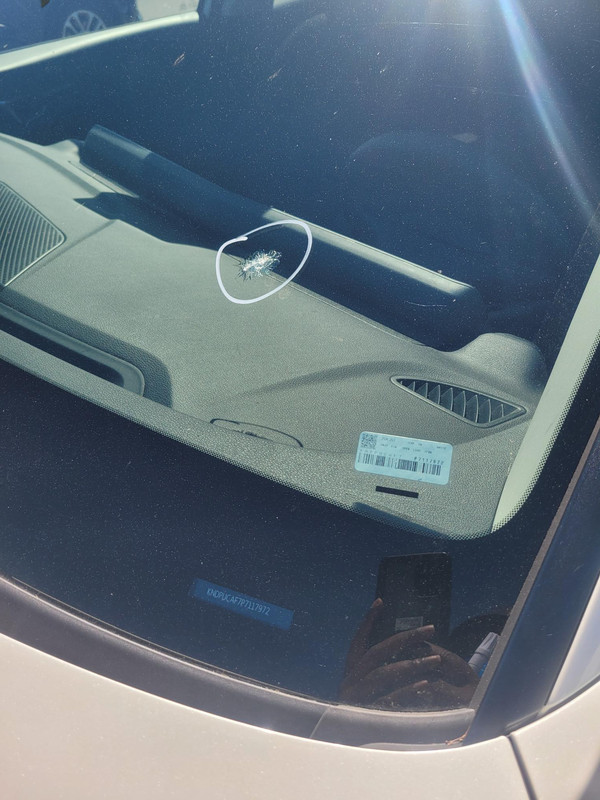
Every time I’ve managed maintenance for vehicles in a gravel-prone region, the most effective environmental play was simple: fix chips same week, sometimes same day. A well-done chip repair uses a few grams of resin, cures with UV light, and keeps the original laminated structure intact. That avoids new glass, shipping, adhesive, calibration, and disposal. The repair has to be appropriate, generally small and away from the driver’s primary sight area, and it should restore structural integrity. If the crack has spread or the damage sits in the camera sweep or A-zone, replacement is the responsible choice.
A shop that pushes repair first is usually one that thinks about lifecycle costs. When you request a Windshield Quote online, it can help to add a note about the damage size and location, and ask if repair is viable. Many providers will switch gears and book a repair slot instead.
The growing role of advanced features
Modern windshields are part of the vehicle’s sensor suite. Cameras for lane keeping, rain sensors, heating elements under wiper rests, heads-up display layers, and antenna traces ride on the glass. These features improve safety and comfort, yet they complicate recycling. Embedded wires and coatings add materials that must be separated or handled as contaminants. They also raise the replacement cost, nudging some owners to delay repairs, which can lead to larger cracks and more breakage.
From an environmental standpoint, ADAS has a mixed effect. Fewer crashes mean far less waste and emissions downstream. But the immediate footprint of making and calibrating sensor-ready windshields is higher than a plain pane. The net effect likely favors ADAS, provided systems work correctly and the higher repair cost doesn’t push drivers to put off necessary work. The best answer is high-quality glass, meticulous installation, and accurate calibration so the safety gains pay off for years.
Choosing a shop with a lighter footprint
There’s a quiet spread between the best and the average in this trade. The best shops pay attention to details that happen behind the scenes, which also tend to improve environmental outcomes. They keep damaged glass sorted and covered, they train techs on correct cut-out techniques to avoid wasting adhesives, they stock the right primers to prevent bond failures that force rework, and they fix chips immediately rather than scheduling replacements two weeks out.
When you request an Auto Glass Quote, look for signs of that culture. Fast chip repair appointments, honest guidance on repair versus replacement, ADAS calibration in-house or via a known partner, and a clear answer about where the old glass goes. If they can provide a certificate or reference for recycling, even better.
What insurers and fleets can do
Insurance design shapes behavior. When policies cover chip repair with no deductible but apply a deductible for a full Windshield Replacement, more drivers choose repair quickly. Carriers that partner with networks requiring documented attempts at repair before replacement see lower claim costs and lower waste. Fleets can push further, setting service-level agreements for recycling rates, specifying glass with credible environmental declarations when cost and safety align, and training drivers to report chips early.
I once worked with a fleet that assigned responsibility for windshield condition to the same technician who handled fluid checks before each shift. They carried a UV lamp and resin kit in the shop. That small tweak cut windshield replacements by roughly a third over the next year. The savings weren’t just financial; the scrap bins filled more slowly, and fewer vehicles needed follow-up calibration appointments.
Recycling realities by region
Access to laminated glass recycling depends on geography. Metro areas in states with established construction and auto glass industries tend to have the infrastructure. Rural regions see longer hauls and fewer pickups, which makes consolidation crucial. Some glass manufacturers sponsor take-back programs in dense markets, while independent recyclers fill gaps elsewhere.
If you live far from a recycler, ask your installer whether they consolidate at a branch location. Sometimes it’s enough to store windshields upright in racks and schedule a monthly pickup. Community-level solutions can work: a few independent shops in the same town can share a pickup route if they coordinate volumes. The key is clean handling. Keep urethane to a minimum, no trash mixed in, no corrugated packaging glued to the glass.
Where recovered materials go
There’s a misconception that recycled windshield glass becomes new windshields. It can, but often it doesn’t. Windshield glass ends up in several useful places. A significant share goes into fiberglass insulation, where high-quality cullet lowers melting temperatures and energy use. Some goes into new flat glass or bottles, depending on purity. A smaller fraction finds use as aggregate in asphalt or concrete, usually when the cullet is contaminated or finely ground.
Recovered PVB can be cleaned and reused as interlayer, though purity standards are high. More commonly, it’s pelletized for plastic applications like binders, noise-damping sheets, or certain molded parts. If your recycler says they landfill the PVB, that isn’t ideal, but it’s still a partial win compared with burying the entire windshield. The aim is to keep pushing more value into that plastic stream, which improves the economics of recycling.
The economics that drive behavior
Recycling glass only works if someone gets paid at the end. For laminated glass, the costs of collection, separation, and cleaning compete with the value of cullet and PVB. When energy prices rise, recycled cullet becomes more attractive to manufacturers because it lowers furnace temperatures and saves fuel. When oil prices swing, PVB’s resale price follows. Policy also matters. Landfill tipping fees that reflect real environmental costs make recycling routes more competitive. Local grants for equipment and storage racks can push a small shop to start a program.
On the consumer side, price transparency helps. When you gather a Windshield Quote, you often see only the replacement price. Some shops quietly factor recycling into overhead. Others may offer a small discount for returning a core or agreeing to a repair versus a replacement. Even Myrtle Beach windshield repair a symbolic credit frames recycling as normal practice.
Extending windshield life through care and small habits
You can stretch the life of a windshield with a few easy habits. The difference shows up in both your budget and the landfill. Wiper blades that chatter or leave streaks act like sandpaper. Replacing them twice a year, spring and fall, reduces micro-scratches that weaken glass over time. Topping up washer fluid rather than using dry wipes matters more than most drivers think. Avoid slamming hot defroster air onto an icy windshield; use the rear defroster as a model and heat gradually. In gravel zones, even a small following distance change lowers the risk of chips.
If a chip happens, time is your enemy. Temperature swings pump moisture into the crack, and a cold night can run it to the edge. Every week you delay lowers the odds that a repair restores strength and clarity. A mobile repair in your driveway takes 20 to 30 minutes and pays back in waste avoided.
When replacement is necessary, choose well
Some damage can’t be repaired. The interlayer may be compromised, the crack might sit across the driver’s primary view, or the glass could be delaminating at the edges. In these cases, replacing promptly is safer than waiting. If your car has ADAS, verify the shop’s calibration process. Ask whether they use OEM glass or high-grade aftermarket that meets the vehicle’s optical tolerances. Poor optical quality can distort the camera’s view and force recalibration repeats, which means more driving, more time, and more energy.
You can also ask a simple environmental question without derailing the process: How do you handle the old windshield? If a shop hears this enough, they start tracking the answer.
A practical path for consumers
Here is a short, workable approach that fits the realities most drivers face.
- Repair small chips immediately and replace only when safety or clarity demands it. Ask your insurer about zero-deductible repair coverage. When requesting an Auto Glass Quote, ask whether the provider recycles laminated glass and who their partner is. Favor shops with a clear plan and clean handling practices.
What the industry can adopt next
The auto glass industry is already moving. There’s room to go further without adding friction for drivers. Vendors can standardize returnable racks for scrap laminated glass, the way they already do for new parts. Distributors can run backhaul recycling pickups along delivery routes. Adhesive makers can continue lowering VOCs and packaging waste with larger refillable cartridges for high-volume shops. Manufacturers can publish environmental product declarations that quantify embodied carbon for different windshield options, especially for fleets that can make procurement decisions at scale.
The trickiest part remains reuse at the highest value. If PVB recovery becomes both cleaner and more lucrative, the rest of the system lines up. Support for research into solvent-free delamination and better PVB purification methods would pay off across construction and automotive supply chains.
A brief reality check on green marketing
You’ll see claims about eco-friendly glass and sustainable replacement. Some are genuine improvements, like solar control coatings that reduce cabin heat and cut air conditioning load. Others amount to routine practices dressed up for advertising. The simplest test is specificity. Does the shop or manufacturer provide numbers, such as pounds of laminated glass diverted per month, or the percentage of cullet in their products? Can they point to a recycler and describe the downstream use? Vague language usually means business as usual.
The bigger picture: safety as environmental policy
It’s easy to silo safety, cost, and environmental goals, but in auto glass they converge more often than not. A windshield that’s installed correctly, repaired when possible, and replaced with high-quality materials reduces accident risk and avoids early failure. Fewer crashes and fewer re-dos dwarf the marginal impacts of adhesives and calibration power. Think of your windshield as part of the safety net that keeps your car from generating a body shop’s worth of waste.
The environmental impact of auto glass isn’t a mystery, just a chain of choices. Start with quick chip repairs. Vet shops for their handling of scrap. Ask modest questions during your Windshield Quote process so recyclers stay in business. If you manage multiple vehicles, set policies that bias toward clean streams and repair-first decisions. These habits don’t require sacrifice. They save time and money while redirecting heavy, layered glass away from landfills and back into productive use.
Your next Auto Glass Replacement might not feel like a climate action, but it can be a small, concrete one if you choose carefully. The glass is already strong. We just need to make the lifecycle match.